Each season ushers in a unique set of qualities that can either balance or aggravate the inner workings of your being. Ayurveda teaches us that like increases like and that opposites balance. So, some people love the summer heat while others crave colder climates. Winter is cold, wet, cloudy and heavy, dominated by earth and water elements which aggravate kapha dosha. Those with high kapha can become prone to chesty, mucus coughs and colds, slow digestion and chills. However, if the climate is exceptionally cold and dry, vata can also be aggravated leading to increased dry skin. The intestinal and respiratory tracts can also become drier, causing constipation, reduced immunity and joint issues. . For those with a dominant pitta dosha (higher in the fire element) winter can help keep their typically hot thermostat under control.
In the short, dark and damp days of winter, how can we invite more warmth into our mind and body (especially if we are more vata and kapha in our constitution)? Ayurveda has lots of suggestions, as well encouraging some ‘wintering’ by embracing a slower pace and stillness. There is a beautiful novel about the human need to ‘winter’- as in resting and retreating during difficult times. But we enjoyed reading it last winter to encourage the idea that its OK to slow down in our fast paced world. Indeed we need to slow down, just like the rest of the natural world.
“Plants and animals don’t fight the winter; they don’t pretend it’s not happening and attempt to carry on living the same lives that they lived in the summer. They prepare. They adapt. They perform extraordinary acts of metamorphosis to get them through. Winter is a time of withdrawing from the world, maximising scant resources, carrying out acts of brutal efficiency and vanishing from sight; but that’s where the transformation occurs. Winter is not the death of the life cycle, but its crucible.”
― Katherine May, Wintering: The Power of Rest and Retreat in Difficult Times
Here are some of the ways we ‘winter’:
- Sleeping in a little later is somewhat permissible in the winter, but you will feel fresher and more motivated if you are up by about 7 a.m. In Summer its advised to be up with the larks around 6/6.30pm but Ayurveda says we can enjoy a ‘lie in’, but try not to get up much alter than 7am or you may find a bowel movement is more challenging as we creep into the ‘kapha’ time of morning.
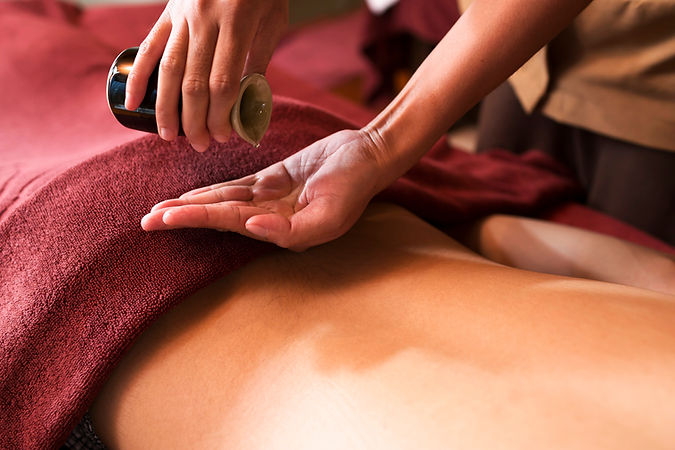
- To reduce external dryness (think about what an autumn leaf looks like), treat your skin to regular warm oil self massage followed by a warm bath or shower. It doesn’t have to be complicated- just warm some oil using an oil burner or by placing a glass bottle in a jug of boiling water, and rub the warm oil over your body. If you don’t have much time in the mornings, focus on arms legs, chest and back. You can even do it before bed, put on some old pyjamas and have a warm shower the next morning. Try and book a monthly massage from a practitioner too, an essential not a luxury!
- Add a few drops of sesame oil to the nasal passages to awaken the mind and lubricate the respiratory passages. This can really help keep respiraory viruses at bay, and also helps reduce the drying effect of cold, winter air (NB: this tip also really helps on an airplane as cabin air can also be very cold and drying).
- Drink a big mug of warm/hot water first thing to activate the digestive system. Keep drinking warm drinks through the day, trying to avoid anything cold or fizzy (except on Christmas day perhaps!)
- Use aromatherapy oils that are warm, pungent and uplifting such as camphor, cinnamon, cloves, cedar and frankincense. These are a lovely way to lift the spirits. If you are craving sweet treats at this time of year, sniffing a bottle of sweet orange essential oil (or mandarin) can really help add some calorie free sweetness.
- Vigorous exercise gets the lymph moving, preventing congestion and means you can then relax for the rest of the day. Well, almost! A brisk morning walk is ideal as you are also getting valuable morning sunlight to support circadian rhythms. A brisk walk after lunch is also ideal as Ayurveda recommends taking at least 100 steps after each meal to support metabolism, something now backed by modern research. In the evening, you can walk around the house doing a spot of tidying to get your 100 steps in.
- Dress in bright, warm colours like reds and oranges, and cover your ears, neck, and head with a scarf or hat if you are outside in the cold. I love wearing turmeric/ mustard clothes this time of year, and can really feel the difference to my mood to say wearing cool blues and whites.
- Avoid day sleep which increases kapha dosha (especially on Boxing day). Instead retire earlier, ideally by 10 p.m. The ancient Ayurveda texts also promote the ‘physical expression of love’ (seen as a heating activity) between couples as being healthy in the winter months!
“Once we stop wishing it were summer, winter can be a glorious season in which the world takes on a sparse beauty and even the pavements sparkle.” (Katherine May, Wintering: The Power of Rest and Retreat in Difficult Times)
Maintaining a ‘wintering’ daily routine helps keep vata and kapha in balance during the cold months. However, everyone is different, and certain suggestions might not apply depending on your body type. It’s a good idea to explore your dosha through seeing an Ayurvedic practitioner or try our dosha quiz.

0 Comments